
Is Fall a Good Time to Install a Patio or Hardscape in Boulder?

As summer winds down, Boulder homeowners often assume hardscape projects should wait until spring, picturing patios and retaining walls as warm-weather work. In reality, fall is one of the strongest windows of the year to install a patio, walkway, or retaining wall in Boulder, both from a construction standpoint and a long-term performance standpoint. The soil conditions, weather patterns, and scheduling realities of this season line up in ways that spring installation often can't match.
Why Does Fall Make Sense for Hardscape Installation in Boulder?
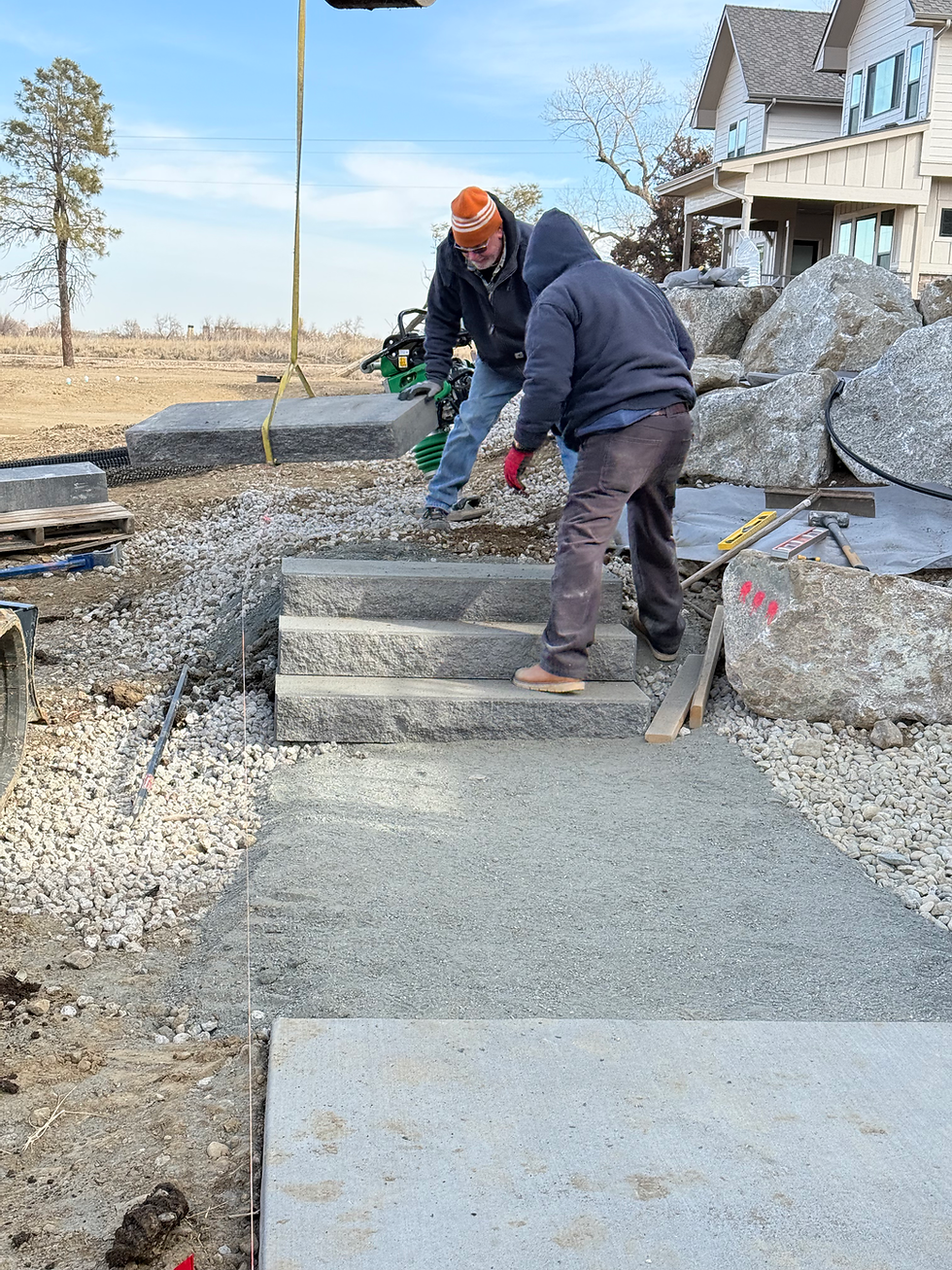
Fall makes sense for hardscape installation because Boulder's early autumn weather typically offers stable, moderate temperatures with lower precipitation than the intense spring storm season, giving base preparation and material curing time to happen without weather-related delays. Concrete cures more predictably in fall's moderate daytime temperatures than in the summer heat, where rapid moisture loss can weaken the curing process, or in late spring, where sudden hailstorms and heavy rain are common enough to disrupt an active job site. This weather stability alone can mean the difference between a project finishing on schedule and one stretching out over weeks of rain delays.
Soil conditions also favor fall installation. After a full growing season, soil moisture levels tend to be more consistent and predictable than the saturated, expansive conditions common after spring snowmelt, when Boulder County's clay-heavy soils are often at their most unstable. Installing a patio base or retaining wall footing into soil that isn't actively swelling from spring saturation reduces the risk of the base settling or shifting shortly after installation, which is a meaningful advantage in a region where soil movement is one of the most common causes of hardscape failure.
Scheduling availability tends to work in homeowners' favor during fall as well, since contractor demand typically peaks in late spring and summer when everyone wants a finished patio in time for peak outdoor season. Booking a fall project often means more flexibility in start dates and more contractor attention per project, simply because the seasonal rush has passed.
How Does Fall Installation Affect Long-Term Durability?
Fall installation can improve long-term durability because materials and base layers have an entire winter and spring to settle and stabilize before facing the stress of heavy summer use. A newly installed patio base needs time to compact naturally under freeze-thaw cycling, and a fall installation allows this settling process to happen during Boulder's cooler, lower-traffic months rather than under the immediate weight of summer furniture, foot traffic, and entertaining. This settling period matters more than most homeowners realize, since a base that hasn't had time to stabilize is more prone to minor shifting or unevenness once regular use begins.
Freeze-thaw cycling, while often discussed as a risk factor, can actually work in favor of a properly installed fall hardscape project when the base preparation is done correctly. A well-compacted aggregate base with adequate drainage will settle and tighten through repeated freeze-thaw cycles over winter, effectively pre-testing the installation's stability before the homeowner ever uses the space. If there's going to be an issue with base preparation or drainage, it's far better to discover it as minor settling over a quiet winter than as a cracked paver under a loaded outdoor dining table the following July.
This advantage only holds, however, when the installation itself is done with proper attention to base depth, compaction, and drainage detailing. A rushed fall installation with inadequate base preparation will fail regardless of season, and in some ways fall's freeze-thaw cycling will expose those shortcuts faster than a spring or summer installation would.
What Hardscape Projects Are Best Suited to Fall Installation?
Patios, walkways, and retaining walls are particularly well suited to fall installation, since these projects benefit most directly from stable curing weather and a settling period before heavy seasonal use begins. Concrete and mortared stone work in particular benefit from fall's moderate temperatures, which allow for slower, more even curing than summer's intense heat and UV exposure can provide. Retaining walls, especially those requiring engineered drainage systems behind them, also benefit from installation timing that allows the backfill and drainage gravel to settle naturally over winter before spring runoff puts the system to its first real test.
Dry-laid paver patios and pathways are similarly well suited to fall work, since the polymeric sand or joint material used in these installations often sets and locks in place more reliably in cooler, drier fall conditions than during summer's higher humidity and heat. Projects involving significant excavation or grading also benefit from fall timing, since drier soil conditions typically make excavation cleaner and more precise than working in saturated spring ground.
Projects that are more weather-dependent in their finishing stages, such as certain stains, sealers, or specialty concrete finishes, should be discussed directly with a contractor regarding fall timing, since some products have specific temperature ranges required for proper application and curing that narrow as the season progresses toward winter.
Are There Any Downsides or Limitations to Fall Hardscape Projects?
The primary limitation of fall hardscape installation is a shrinking weather window as the season progresses, since waiting too long into late fall risks running into an early hard freeze before a project is fully complete. This makes early-to-mid fall the ideal starting point for larger projects, rather than waiting until late October or November when temperature swings become less predictable and the margin for weather-related delays narrows significantly. Discussing timeline and contingency planning with a contractor before committing to a fall start date helps avoid a project caught mid-installation by an unexpected freeze.
Plant-adjacent hardscape work also requires some additional consideration in fall, since excavation or grading near existing landscaping can disturb root systems heading into winter dormancy. A contractor familiar with integrating hardscape and planting work should be able to sequence excavation and any necessary plant protection to minimize stress on nearby vegetation during this transition period.
Homeowners planning to use a new patio or outdoor space immediately after completion should also factor in the settling period discussed earlier; a fall-installed patio may look finished within weeks, but its full stability benefits from that quieter winter settling window before heavy use begins. This isn't a reason to avoid fall installation, but it does mean setting realistic expectations about when the space will be at its most stable.
Timing the Build So the Ground Does Some of the Work
Fall hardscape installation in Boulder isn't a compromise, it's often the season best positioned to deliver a more stable, better-cured result once winter has had its chance to settle the base. The key is starting early enough in the season and working with a team that understands how to sequence excavation, curing, and drainage around Boulder's specific fall weather patterns. GROW Boulder plans fall installations with that settling period built into the process from day one, so the patio or wall you build this season is still performing exactly as designed when summer arrives.
Key Takeaways
Fall offers stable, moderate weather in Boulder that supports more predictable curing and installation than summer heat or spring storms.
Soil conditions in fall are generally more consistent than the saturated, expansive conditions common after spring snowmelt.
A properly installed fall hardscape project benefits from a winter settling period before facing the stress of heavy summer use.
Freeze-thaw cycling over winter can reveal base preparation shortcuts, making it better to discover issues as minor settling than as summer cracking.
Patios, walkways, and retaining walls are especially well suited to fall installation due to curing and settling advantages.
Early-to-mid fall is the ideal window to start larger projects, since waiting too late risks running into an early hard freeze mid-installation.
Lower seasonal contractor demand in fall can mean better scheduling flexibility compared to the busy spring and summer months.
Excavation near existing landscaping in fall should be sequenced carefully to avoid unnecessary stress on plants entering winter dormancy.
Frequently Asked Questions
How late in the year can hardscape installation happen in Boulder?
Most contractors aim to complete major hardscape work by mid-to-late October to avoid running into an early hard freeze, though this varies by project scope and specific weather patterns each year.
Does concrete cure properly in cooler fall temperatures?
Yes, moderate fall temperatures generally support more even, reliable curing than summer heat, as long as installation happens before consistent overnight freezing begins.
Will a fall-installed patio be ready to use before winter?
In most cases yes, though allowing the base and joints to settle through the winter before heavy use improves long-term stability.
Is it cheaper to install a patio in fall versus spring or summer?
Pricing varies by contractor, but lower seasonal demand in fall can sometimes mean better scheduling availability and more contractor attention per project.
Can retaining walls be safely built in fall in Boulder?
Yes, and in many cases fall is an especially good time, since the wall and its drainage system have a full winter to settle before spring runoff arrives.
Should I wait until spring if I'm unsure about fall timing?
Not necessarily; spring in Boulder brings its own challenges, including saturated soil and unpredictable hailstorms, which can complicate installation and curing just as much as a compressed fall timeline.
Does fall installation affect nearby landscaping?
It can, particularly for plants near the excavation area, so it's worth discussing sequencing and plant protection with your contractor before work begins.


