What are the Benefits of a "Hardscape-First" Design Strategy?

Updated: Apr 12
Establishing a hardscape-first design strategy is more than an aesthetic choice—it’s a smart, climate-responsive approach to building a four-season landscape in Colorado. In regions like Boulder and the Front Range, where winters are long and plant life goes dormant, prioritizing the structural “bones” of your property—stone patios, retaining walls, wood structures, and steel elements—creates a permanent architectural foundation. The result is a landscape that delivers year-round visual impact, improved durability against freeze–thaw cycles, and long-term value that outlasts seasonal planting alone.
At a Glance: The Hardscape-First Advantage
Year-Round Structure: Maintains visual interest and usability during winter when plants are dormant.
Built for Colorado Climate: Uses proper sub-base preparation to handle freeze–thaw cycles along the Front Range.
Efficient Planning: Defines layout early, simplifying irrigation zones and planting design.
Long-Term Value: Permanent materials like stone and structural wood typically retain value longer than seasonal plantings.
Improved Drainage & Stability: Reduces erosion and water issues through grading, drainage systems, and retaining structures.
Future-Ready Infrastructure: Allows for easier upgrades like lighting, gas lines, and electrical through pre-installed conduits.
What is the foundation of a four-season garden framework?
A hardscape-first approach establishes a permanent architectural framework that maintains a property’s structure and visual appeal throughout the year. In climates like the Front Range, where the growing season is relatively short, elements such as retaining walls, flagstone paths, and custom pergolas become the primary source of visual interest for much of the year. When perennials fade and deciduous trees lose their leaves, features like a well-placed stone wall or a sculptural steel planter provide the texture, contrast, and shadow lines needed to keep a landscape visually engaging in midwinter.
Material Science and Local Durability
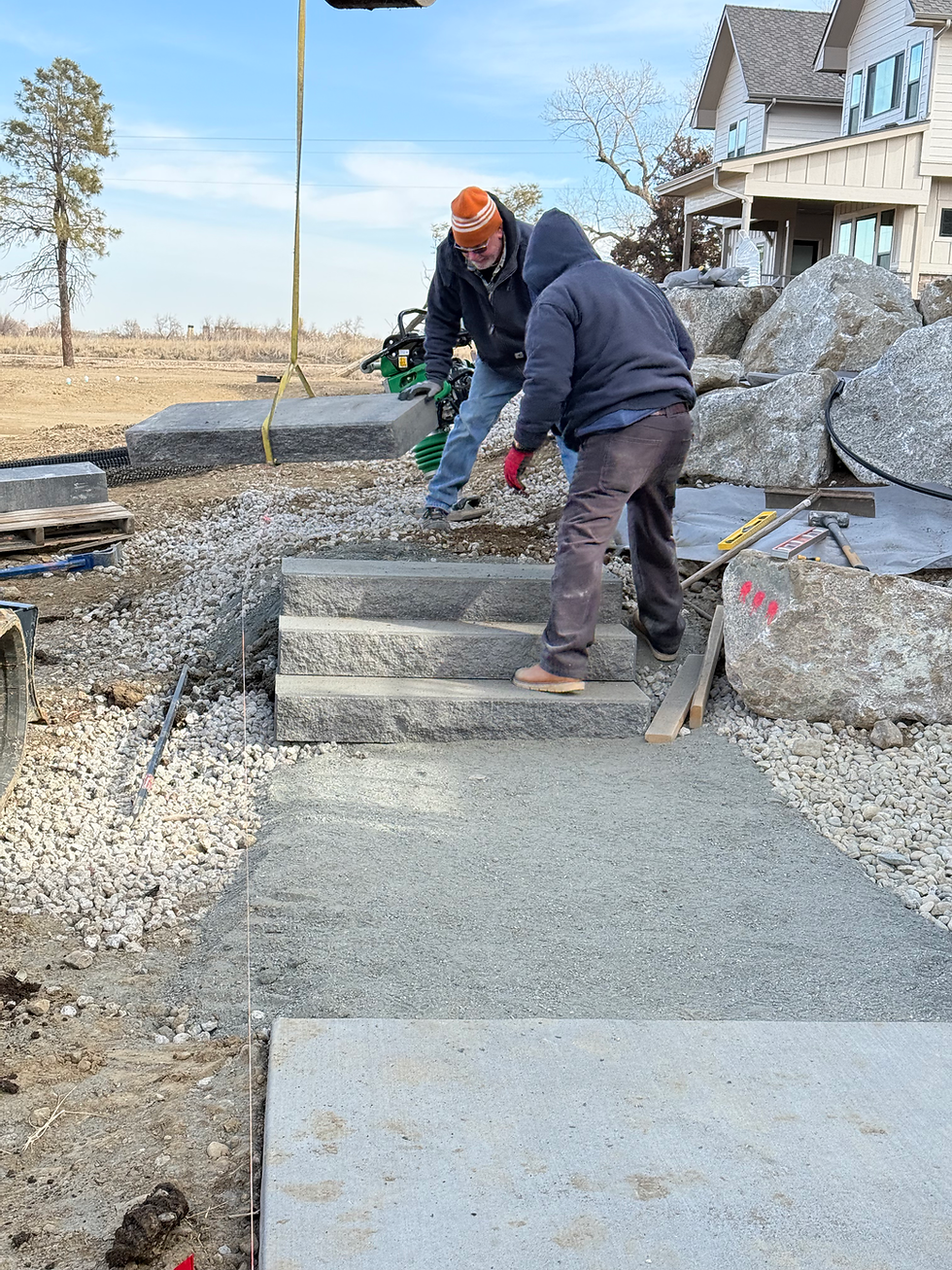
Material selection is critical to long-term performance. In the Boulder area, frequent freeze–thaw cycles require materials that are properly rated for durability and installed with appropriate base preparation and drainage. Local sandstone and high-density granite are commonly used for their strength and regional availability, helping reduce the risk of cracking or surface deterioration over time.
In addition to traditional masonry, Corten steel—also known as weathering steel—has become increasingly popular in Colorado hardscapes. This material is engineered to develop a stable, rust-like patina that protects the underlying metal from deeper corrosion. As a result, it performs well in environments with wide temperature swings and low humidity. Beyond its durability, Corten offers a distinctive, evolving appearance that complements both modern and naturalistic landscape designs. When used for planters, edging, or privacy screens, it adds a durable, low-maintenance layer to the overall framework.
Visual Weight and Shadow Play
Beyond durability, a hardscape-first design considers the visual weight of the landscape. During Colorado’s winter months, the low sun angle creates long, pronounced shadows that can either enhance or flatten a space depending on how it’s designed. By establishing vertical elements—such as stone columns, Corten steel screens, or heavy timber structures—early in the process, the landscape can be shaped to take advantage of these shadow patterns.
The warm, oxidized tones of weathered steel contrast effectively with snow and muted winter vegetation, helping the space feel intentional and complete even in the off-season. This approach reinforces the idea of the landscape as a year-round outdoor living environment, rather than one that depends solely on seasonal plantings.
How do you balance hardscape with softscape flow?
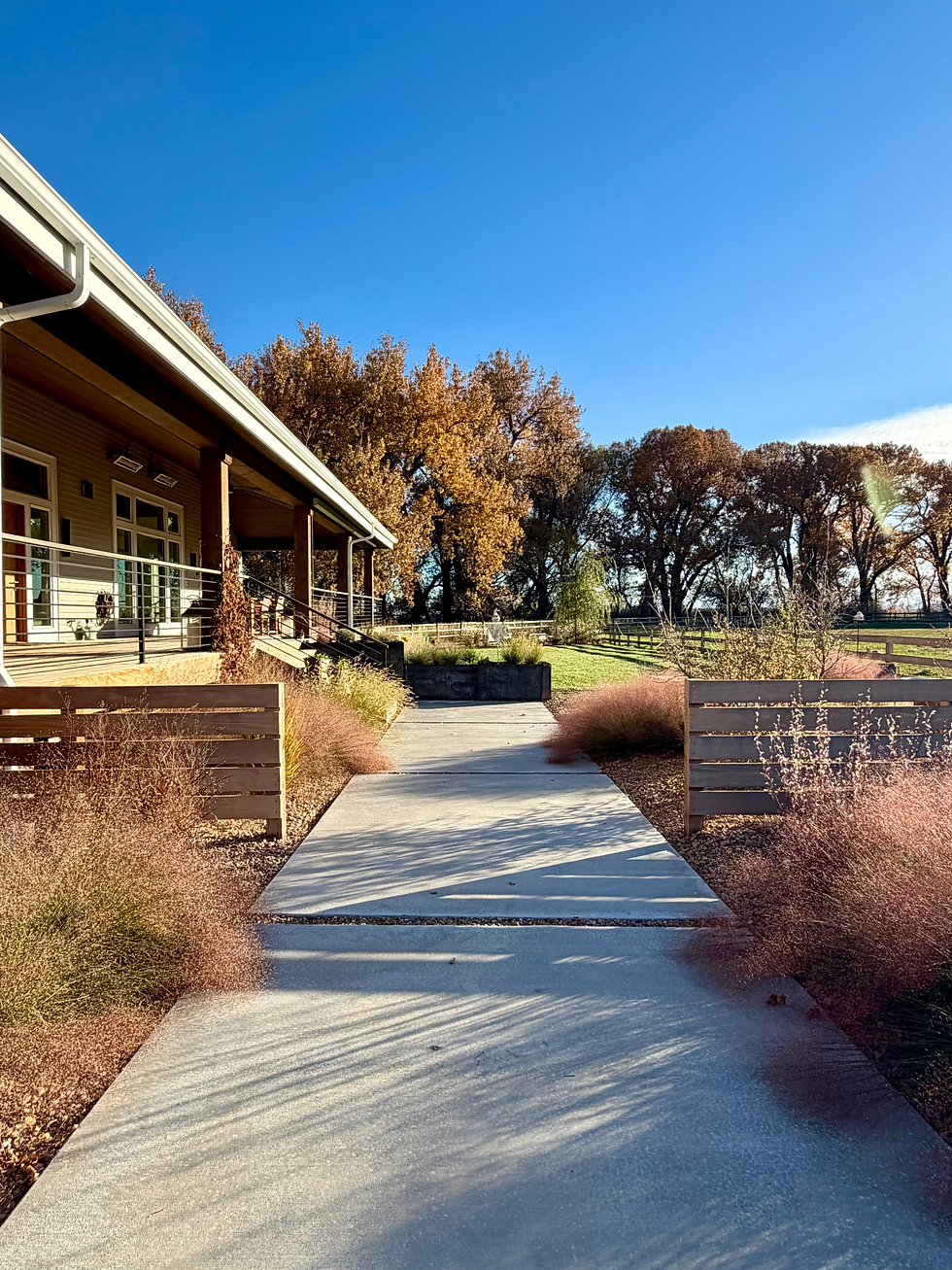
The most successful high-end landscapes utilize hardscape as a canvas that dictates the natural movement and energy of the softer, living elements. By defining the hard edges of patios, walkways, and seating areas first, you create a clear roadmap for where softscape—trees, shrubs, and native grasses—can most effectively soften the environment. This contrast is vital; without the rigid lines of masonry, a garden can feel unanchored, while a garden with too much stone can feel clinical.
Sub-Surface Infrastructure and Drainage
One of the primary benefits of this balance is the ability to engineer superior drainage before a single plant is in the ground. By establishing hardscape elevations first, we can implement sophisticated "French drain" systems or dry creek beds that redirect mountain runoff away from the home’s foundation. This reduces the risk of drainage issues often seen in poorly planned yards where softscape was prioritized over the necessary grading and hard boundaries. Proper sub-grade compaction under your framework ensures that your softscape areas remain aerated and well-drained, protecting your botanical investment.
Micro-Climate Engineering
By strategically placing stone walls and dark-toned pavers, we create micro-climates that allow for the inclusion of slightly more delicate plant species that might otherwise struggle in the Boulder foothills. The hardscape provides the windbreak and warmth that the "flow" of the softscape needs to thrive, effectively extending your growing season.
Why is future-proofing your outdoor living layout essential?
Designing with a hardscape-priority mindset ensures that your outdoor investment is adaptable to future lifestyle changes and technological upgrades. Because the hardscape represents the most significant portion of the project’s engineering and budget, getting the layout right from the start prevents costly "do-overs" when you decide to add an outdoor kitchen, a fire feature, or integrated lighting years down the road.
The "Master Conduit" Strategy
A technical advantage of the hardscape-first approach is the installation of "sleeving" or conduits under permanent structures. This allows for the future expansion of gas lines, high-voltage electrical for hot tubs, or low-voltage lighting wires without having to rip up a stone patio. We treat the hardscape like the "utilities" phase of a home build—once the slab and stone are set, the property is ready for any technological evolution the homeowner desires.
Managing Topographical Shifts
For properties in the foothills, soil movement and grading are constant challenges. By engineering the hardscape to manage these topographical shifts early on—using deep-footing retaining walls and reinforced masonry—you protect the rest of your landscape from erosion and drainage failures. This ensures that the ROI of your outdoor space continues to grow alongside the value of your home, rather than being washed away by a heavy spring rain. A solid framework acts as a bulkhead against the natural forces of the Colorado environment.
Frequently Asked Questions
Why is hardscape considered the framework of a landscape?
Hardscape is referred to as the framework because it provides the permanent, non-living structure that holds the entire garden design together throughout all four seasons, providing architectural interest when plants are dormant.
Does a hardscape-first strategy increase the overall project cost?
While the initial investment in masonry and structural elements is higher than planting, it provides a higher ROI and reduces long-term maintenance costs by preventing erosion and structural failures.
How does hardscape help with water conservation in Colorado?
By replacing high-water-use turf with permeable pavers, natural stone, or functional seating areas, you reduce the property's overall water demand while creating a more usable outdoor living space.
Can I add more softscape to a hardscape-heavy design later?
Yes, establishing the framework first creates defined "planting pockets" and zones, making it much easier to add or change plant varieties in the future without disrupting the main layout of the yard.