
Why Isn't My New Landscaping Surviving Its First Colorado Winter?

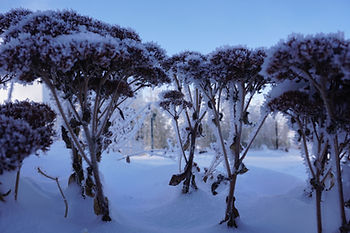
Few things are more discouraging than watching newly installed plants, shrubs, or trees struggle or die during their first winter after a landscape project, especially when the same species seem to thrive on other properties throughout Boulder. New plantings are genuinely more vulnerable than established landscapes, but "new plant winter loss" isn't random bad luck; it almost always traces back to a specific, identifiable cause related to timing, root establishment, or winter care that differs from what an established plant would need. Understanding these causes helps homeowners either prevent the problem on a future installation or diagnose what happened this time.
Why Are Newly Installed Plants More Vulnerable Than Established Ones?
Newly installed plants are more vulnerable because their root systems haven't yet expanded beyond the original nursery container or root ball footprint, meaning they have access to a much smaller volume of soil moisture and nutrients than an established plant with a fully developed root system. This limited root zone makes new plantings significantly more sensitive to both drought stress and freeze damage, since a smaller root mass simply can't buffer temperature and moisture swings the way an extensive, established root system can. This vulnerability window typically extends through the first one to two full growing seasons, meaning a plant that survives its first winter isn't necessarily out of the woods if the following growing season doesn't allow for full root establishment either.
Newly planted specimens also haven't had the chance to develop the same level of cold hardiness that comes from a full growing cycle in their actual planting location, since nursery-grown plants are often raised in different conditions than where they'll ultimately be installed. This means a plant that's genuinely winter-hardy for Boulder's climate can still struggle in its first winter simply because it hasn't yet acclimated to the specific temperature patterns, soil conditions, and exposure of its new location, a process that takes a full season or more to complete even for well-suited species.
Transplant shock itself, the stress response plants experience from root disturbance during installation, can also weaken a plant's overall vigor heading into winter, particularly if the plant was installed late in the growing season without adequate time to recover before cold weather arrived. This compounding effect, transplant stress plus a limited root system plus incomplete cold acclimation, is why new plantings need meaningfully different winter care than the established landscape around them.
Did Installation Timing Play a Role in the Plant Loss?
Yes, installation timing is one of the most significant factors in new plant winter survival, since plants installed too late in the growing season simply don't have enough time to establish sufficient root growth before facing their first hard freeze. Fall installation, while often beneficial for hardscape and can work well for many plants when timed correctly, needs to happen early enough, generally by early-to-mid fall in the Boulder area, to allow meaningful root development before winter dormancy sets in. A plant installed in late October or November has had essentially no window to establish before facing winter stress, which significantly increases the likelihood of winter dieback or outright loss regardless of how winter-hardy the species is in theory.
Spring and early summer installation generally gives plants the longest possible establishment window before their first winter, since a full growing season allows for substantial root development before cold weather arrives. This doesn't mean fall planting should be avoided entirely, since many species do establish successfully with proper fall timing, but it does mean the specific timing within fall matters considerably more than a general "fall is a good planting season" rule of thumb would suggest.
If new landscaping was installed very late in the previous fall, timing alone may explain a significant portion of any winter losses experienced, independent of any other care or maintenance factors, since the plants simply didn't have adequate time to prepare for winter regardless of what happened afterward.
Could Watering Have Contributed to the Winter Loss?
Yes, both underwatering and improper late-season watering practices are common contributors to new plant winter loss, and distinguishing between these opposite problems requires looking at the specific watering pattern leading into winter. Underwatering during the establishment period, particularly through late summer and early fall when new plants most need consistent moisture to develop their root systems, leaves plants entering winter already stressed and with underdeveloped roots poorly equipped to handle additional winter stress. This is a common issue when homeowners assume a new planting needs less attention than it actually does, or when an irrigation system's regular schedule doesn't provide adequate supplemental water specifically to newer plantings within a mixed-age landscape.
On the other end, failing to provide a final deep watering before the ground freezes, sometimes overlooked because regular irrigation has already been shut off for the season, can leave new plants without adequate moisture reserves to survive winter's drying winds and lack of precipitation. This is particularly relevant for evergreens, which continue to lose moisture through their foliage even during winter dormancy and are especially vulnerable to desiccation if they enter winter without adequate soil moisture reserves. This single deep watering, timed for a window when the ground is still workable but before a hard freeze, is a distinctly different practice than regular seasonal irrigation and is easy to overlook if it isn't explicitly planned for.
Overwatering can also play a role, particularly in poorly draining soil where excess moisture around new roots increases the risk of root rot or creates conditions more favorable to freeze damage from saturated soil, which connects back to soil preparation and drainage planning discussed as part of proper installation.
What Role Does Winter Protection Play for New Plantings?
Winter protection measures that aren't necessary for established plants often make a meaningful difference for new installations, since the limited root system and incomplete cold acclimation discussed earlier mean new plants benefit from support that an established plant simply doesn't need. Mulching around the base of new plantings, typically two to three inches of organic mulch kept slightly away from direct stem contact, insulates the limited root zone against Boulder's freeze-thaw cycles in a way that can meaningfully improve winter survival rates for first-year plantings. This is a relatively simple, low-cost intervention that's frequently skipped or under-applied on new installations, despite its outsized impact on establishment success.
Physical protection, such as burlap wrapping for vulnerable evergreens or windbreak structures for plants in particularly exposed locations, can also reduce winter desiccation and physical damage from Boulder's downslope winds, which put additional stress on new plantings that haven't yet developed the root system needed to keep pace with wind-driven moisture loss. This kind of protection is generally most valuable for the first winter or two after installation, after which an established plant's more extensive root system typically provides adequate resilience without ongoing intervention.
Anti-desiccant sprays, which create a temporary protective film on foliage to reduce moisture loss, can offer additional protection for particularly vulnerable evergreen plantings, though this is a more specialized intervention worth discussing with a knowledgeable landscape professional rather than applying broadly without understanding which specific plants in a new installation would actually benefit from it.
Giving New Plantings the Time They Actually Need
New landscaping that struggles through its first Colorado winter is almost always explainable, whether the cause traces back to installation timing, an incomplete root system, or missed winter care specific to first-year plantings. Understanding these factors turns a discouraging loss into a diagnosable problem, and often a preventable one for future installations. GROW Boulder plans every new installation with this establishment window built into the process from the start, so the plants you invest in this season are still there to enjoy well beyond their first winter.
Key Takeaways
New plantings are more vulnerable to winter loss because their limited root systems can't buffer temperature and moisture stress the way established root systems can.
Installation timing significantly affects winter survival, with late fall planting leaving minimal time for root establishment before winter dormancy.
Spring and early summer installation generally provide the longest establishment window before a plant's first winter.
Underwatering during establishment and skipping a final deep watering before the ground freezes are both common contributors to new plant winter loss.
A single deep watering before hard freeze, distinct from regular seasonal irrigation, is particularly important for evergreens that continue losing moisture through winter dormancy.
Mulching new plantings with two to three inches of organic mulch provides meaningful insulation for the limited root zone during the first winters after installation.
Physical protection like burlap wrapping or windbreaks can reduce desiccation for particularly vulnerable evergreens or exposed plantings.
The vulnerability window for new plantings typically extends through the first one to two winters, after which established root systems generally provide adequate natural resilience.
Frequently Asked Questions
How long should I expect to provide extra winter care for new plantings?
Generally through the first one to two winters after installation, until the plant has developed a root system substantial enough to provide its own natural winter resilience.
Is it too late to protect new plantings if winter has already started?
Some protective measures, like mulching or wind protection, can still be applied mid-winter and offer some benefit, though a proper deep watering before the ground freezes is only effective if done before that point.
Should I avoid fall planting altogether given these risks?
No, fall planting can work well with proper early timing and appropriate winter care, but it does require more deliberate attention to timing and protection than spring planting typically demands.
How do I know if a plant died from winter stress versus a different problem?
Winter dieback often shows as browning or dieback starting at branch tips or on the most exposed side of the plant, while other issues like disease or pest damage typically show different, more localized patterns.
Do all new plantings need burlap wrapping or physical winter protection?
No, this level of protection is generally reserved for particularly vulnerable evergreens or plants in especially exposed locations, rather than applied universally to every new installation.
Can I replant in the same spot if a new planting didn't survive its first winter?
Often yes, though it's worth diagnosing the specific cause of loss first, since an underlying soil or drainage issue could affect a replacement plant in the same way if left unaddressed.
Does the type of plant matter for winter vulnerability, or is timing the main factor?
Both matter significantly; some species are inherently more cold-sensitive during establishment than others, but even hardy species remain vulnerable during their first winter if timing and care weren't adequate.
