Beyond the Sunset: How Professional Lighting Increases the Usability of Your Outdoor Kitchen

A luxury outdoor kitchen in Boulder is an investment in lifestyle, yet its usefulness is often limited by the setting sun. Without a thoughtful lighting plan, even premium grills, stone counters, and custom dining spaces become difficult to use after dark. At GROW Boulder, we view lighting as far more than decoration—it is a critical part of how an outdoor kitchen functions, flows, and performs over time.
In the Colorado Front Range, lighting systems must withstand intense UV exposure, rapid temperature swings, snow accumulation, and seasonal moisture shifts. A professionally designed outdoor kitchen lighting system improves visibility, safety, comfort, and long-term durability while extending the number of hours homeowners can realistically enjoy the space. The result is an outdoor environment that feels intentional and usable long after sunset.
How Does Task Lighting Improve Culinary Safety and Precision?
Professional task lighting increases the usability of an outdoor kitchen by providing focused illumination over grills, prep counters, sinks, and cooking stations. Proper lighting eliminates shadows that can make food preparation difficult or unsafe, especially when working with knives, hot surfaces, or multiple cooking zones. In practical terms, outdoor kitchen task lighting allows homeowners to cook with the same confidence and visibility they expect indoors.
From an engineering perspective, fixture placement is carefully calculated to balance brightness, beam spread, and glare control. We prioritize high Color Rendering Index (CRI) fixtures so food colors remain accurate under artificial light, making it easier to judge doneness, freshness, and presentation. Directional lighting mounted beneath pergolas, overhead structures, or integrated into masonry details helps maintain consistent visibility without overwhelming the surrounding patio.
Colorado’s climate also demands durable materials and protected infrastructure. We specify marine-grade stainless steel, brass, and powder-coated aluminum fixtures that resist corrosion, UV degradation, and freeze-thaw stress. Wiring is routed through protected conduit systems within masonry or hardscape assemblies to reduce moisture intrusion and improve long-term reliability. This combination of design and engineering ensures the outdoor kitchen remains functional throughout every season.
Why Is Ambient Glow Essential for Defining Dining Zones?
Ambient lighting increases the usability of dining spaces by creating a comfortable atmosphere that supports conversation, relaxation, and evening entertaining. While task lighting is intentionally bright and focused, ambient lighting softens the environment and visually separates dining areas from cooking zones. This layered approach helps outdoor kitchens feel welcoming instead of overly exposed or harsh after dark.
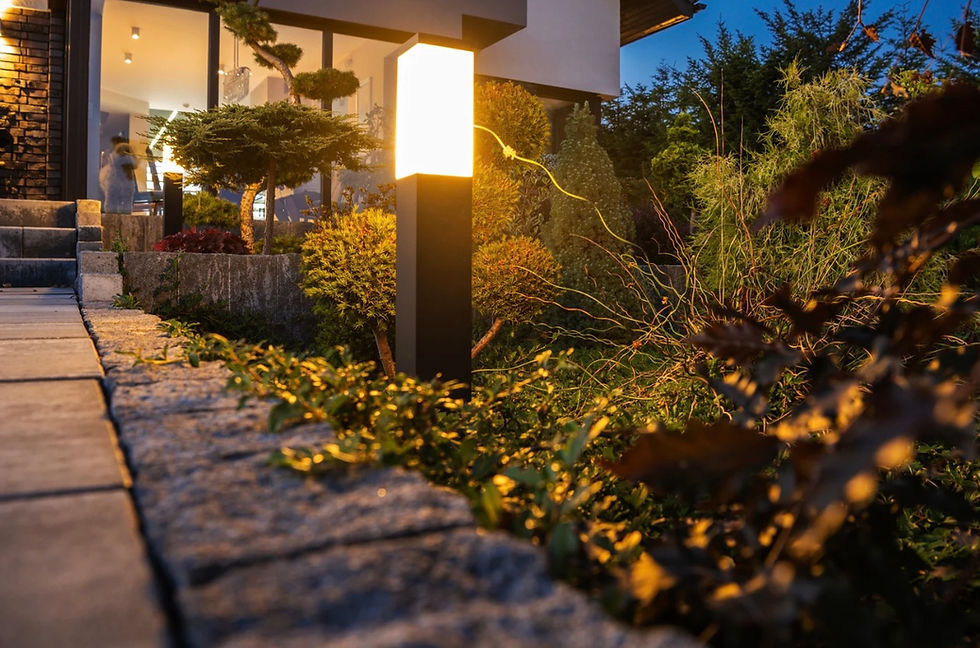
Professional outdoor kitchen lighting design relies heavily on reflected and indirect light. Under-cap LEDs on seat walls, pendant fixtures above dining tables, recessed overhead lighting, and subtle perimeter illumination create depth without excessive glare. Warm color temperatures between 2700K and 3000K are especially effective because they complement natural stone, wood, and concrete materials commonly used throughout Boulder and the Front Range.
Ambient lighting also improves nighttime navigation and site safety. Illuminating elevation changes, pathways, retaining walls, and transitions between patio surfaces helps reduce trip hazards in low-light conditions. In larger outdoor living environments, we often use low-voltage moonlighting within nearby trees to create a broader, natural wash of light that visually connects the kitchen to the surrounding landscape. This prevents the outdoor space from feeling isolated against a dark property backdrop.
How Do Smart Controls Simplify Your Evening Transition?
Smart lighting controls increase outdoor kitchen usability by allowing homeowners to manage multiple lighting zones through a single interface. Instead of manually adjusting several switches, users can activate pre-programmed lighting scenes tailored for cooking, dining, entertaining, or late-night lounging. These systems make outdoor living spaces feel more seamless, flexible, and intuitive to use.
Modern outdoor kitchen lighting systems often integrate dimming controls, Wi-Fi or Bluetooth connectivity, astronomical timers, and automation schedules. As sunset times shift throughout the year in Colorado, smart systems automatically adjust operating schedules to maintain consistency and energy efficiency. Homeowners can also reduce unnecessary power consumption by dimming unused areas or activating only the lighting zones required for a particular activity.
The engineering behind these systems is equally important. We design electrical layouts to minimize voltage drop across long wire runs, which is especially important in expansive outdoor living environments. Strategic zoning also reduces light pollution and supports Dark Sky principles that are increasingly valued throughout environmentally conscious Front Range communities. Smart controls ultimately improve convenience while protecting both system performance and the surrounding landscape environment.
How Does Material Selection Affect Outdoor Kitchen Lighting Performance?
Material selection directly influences how outdoor kitchen lighting performs, reflects, and ages over time. Surfaces such as polished granite, stainless steel, porcelain pavers, and textured stone all interact differently with artificial light. Without careful planning, reflective materials can create glare hotspots while darker finishes may absorb too much illumination and make spaces feel dim or uneven.
At GROW Boulder, we study how light interacts with every major surface in the outdoor kitchen to create balanced nighttime visibility. Honed stone, textured concrete, and matte finishes often produce a softer, more comfortable glow than highly polished materials. Lighting placement is coordinated with cabinetry, countertops, pergolas, and retaining walls to ensure the illumination enhances architectural details rather than washing them out.
Long-term durability also depends on selecting materials that can withstand Colorado’s demanding climate conditions. Freeze-thaw cycles and soil movement can gradually shift heavy hardscape elements, placing stress on buried wiring and fixture connections. We use flexible conduit systems, accessible junction points, and serviceable LED fixtures that allow for future maintenance and upgrades without invasive demolition work. This infrastructure planning protects the longevity of both the lighting system and the outdoor kitchen itself.
How Does Integrated Lighting Improve Property Value and Security?
Professionally integrated lighting increases property value by extending the functional living space of the home into the evening hours. A well-lit outdoor kitchen creates visual continuity between indoor and outdoor environments, making the property feel larger, more cohesive, and more inviting. In Boulder’s luxury residential market, this indoor-outdoor connection is a major contributor to long-term home appeal.
Lighting also improves the visual experience from inside the home. When viewed through windows after dark, a professionally illuminated patio or outdoor kitchen creates depth and architectural interest instead of disappearing into darkness. Accent lighting on retaining walls, trees, and landscape features reinforces the sense of structure and intentional design across the property.
From a security standpoint, integrated lighting reduces dark pockets around gathering spaces, access points, and pathways. Motion sensors, photocells, and low-level pathway illumination help improve visibility while preserving a calm nighttime atmosphere. Professionally designed systems balance safety, energy efficiency, and environmental responsibility without over-lighting the landscape or creating unnecessary glare.
Designing for Longevity and Lifestyle
The most successful outdoor kitchens treat lighting as an essential building material rather than a decorative upgrade. When design vision and engineering expertise work together, lighting becomes part of how the entire space functions—improving safety, extending usability, and creating a more refined outdoor experience.
At GROW Boulder, we design outdoor environments that respond to the realities of Colorado’s climate while supporting the way homeowners actually live and entertain. A professionally integrated lighting system adds more than visual appeal; it creates additional hours of functionality, improves long-term resilience, and allows outdoor kitchens to perform beautifully for years to come.
Key Takeaways
Outdoor kitchen lighting extends the usable hours of the space well beyond sunset.
Task lighting improves safety, visibility, and cooking precision around grills and prep stations.
Layered ambient lighting creates comfortable dining environments and improves nighttime atmosphere.
Smart lighting controls simplify operation while reducing energy consumption and light pollution.
Material selection directly affects glare, reflectivity, and overall lighting performance.
Colorado’s UV exposure, snow, and freeze-thaw cycles require durable fixtures and protected infrastructure.
Integrated lighting improves property value by strengthening the indoor-outdoor living connection.
Professionally engineered systems reduce maintenance issues and support long-term durability.
Frequently Asked Questions
Will outdoor kitchen lighting attract insects?
Warm-spectrum LEDs between 2700K and 3000K generally attract fewer insects than cooler white lighting. Proper fixture placement also helps keep bugs away from cooking and dining areas.
How does Colorado weather affect outdoor lighting systems?
Colorado’s freeze-thaw cycles, snow loads, and intense UV exposure can damage low-quality fixtures over time. Durable materials and protected wiring systems are essential for long-term performance.
Are LED outdoor kitchen lights energy-efficient?
Yes. Modern LED systems use significantly less energy than halogen fixtures while providing longer lifespan and lower maintenance requirements.
Can lighting be added to an existing outdoor kitchen?
Yes, although retrofitting requires careful planning to conceal conduit, protect wiring, and preserve existing masonry and hardscape materials.
What is the best color temperature for outdoor kitchen lighting?
Most residential outdoor kitchens perform best between 2700K and 3000K because the warmer light feels comfortable and complements natural materials.
Do smart lighting controls reduce energy costs?
Yes. Smart controls reduce unnecessary runtime through dimming schedules, automation, and zone-specific operation.
How long do professional outdoor lighting systems typically last?
High-quality LED fixtures and properly installed wiring systems can perform reliably for 15–20 years or longer with routine maintenance.